
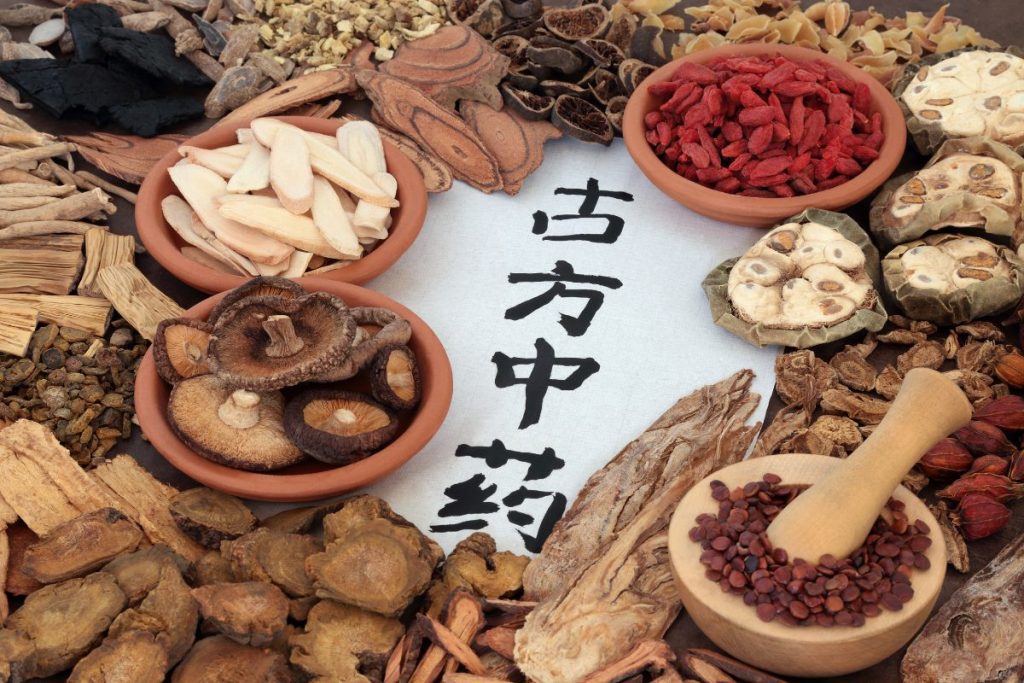
Traditional Chinese Medicine (TCM) is a comprehensive system of medicine that has been practiced for thousands of years in China and other parts of East Asia. It is based on a holistic understanding of the body and seeks to restore harmony and balance to the body’s systems. TCM views the body as a complex interconnected system where imbalances in one part can affect other parts.
Key components of traditional Chinese medicine include:
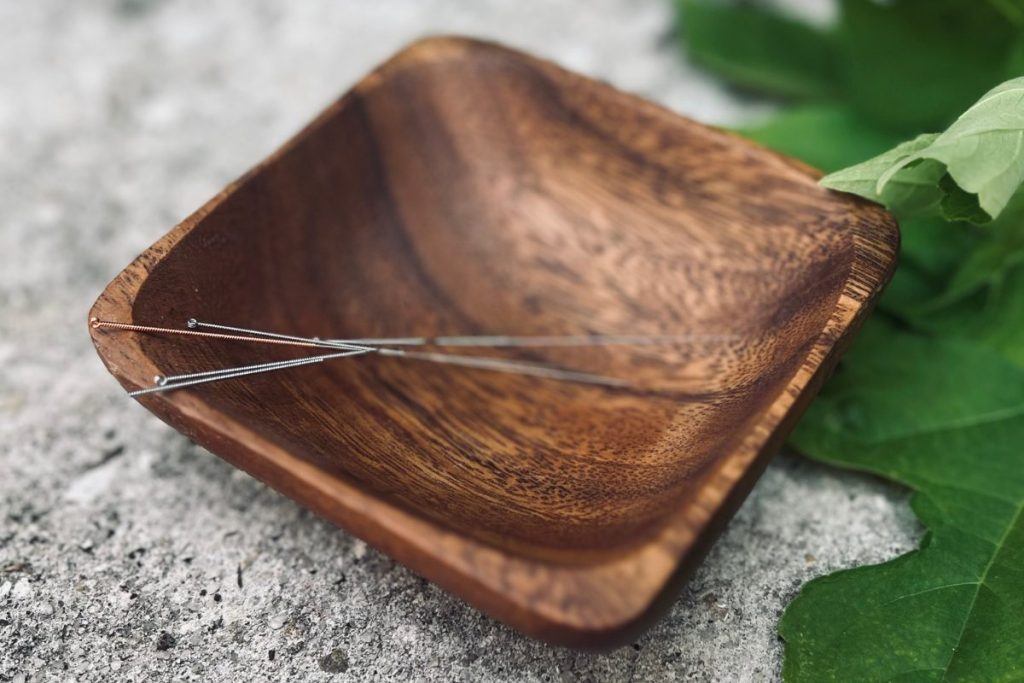
- Acupuncture: Acupuncture involves the insertion of thin needles into specific points on the body to stimulate energy flow (qi) and restore balance. These points are believed to correspond to channels or meridians through which energy flows.
- Herbal Medicine: Herbal medicine is a central component of TCM and involves using various plant-based remedies, including roots, leaves, stems, and flowers, to restore balance and treat specific health conditions. Herbal formulas are often customized based on the individual’s constitution and symptoms.
- Qi Gong and Tai Chi: Qi Gong and Tai Chi are ancient Chinese practices that combine movement, breathwork, and meditation to promote health, vitality, and spiritual growth. These practices are often used to improve balance, flexibility, and overall well-being.
- Dietary Therapy: TCM strongly emphasizes the connection between diet and health. Dietary therapy involves making dietary adjustments and consuming specific foods to support the body’s natural healing processes and address imbalances.
- Tui Na Massage: Tui Na is a form of Chinese therapeutic massage that involves various techniques such as kneading, pressing, and stretching to stimulate the flow of qi and promote healing. It is often used to alleviate pain, reduce tension, and improve circulation.
Benefits of Traditional Chinese Medicine:
- Holistic Approach: TCM takes a holistic approach to health and wellness, addressing not only the symptoms but also the underlying causes of illness. TCM aims to restore balance and promote overall well-being by treating the whole person.
- Personalized Treatment: TCM treatments are often tailored to the individual’s unique constitution, symptoms, and underlying imbalances. This personalized approach can lead to more effective and sustainable results.
- Fewer Side Effects: Many TCM treatments, such as acupuncture and herbal medicine, are natural and have fewer side effects compared to pharmaceutical drugs. This makes TCM a safer alternative for many people, especially those who may be sensitive to medications.
- Prevention and Maintenance: TCM emphasizes the importance of preventing and maintaining health through lifestyle modifications, dietary adjustments, and regular self-care practices such as Qi Gong and Tai Chi. By promoting balance and harmony in the body, TCM can help prevent illness and support long-term health and vitality.
Overall, traditional Chinese medicine offers a comprehensive and holistic approach to health and wellness. It addresses the physical, mental, and emotional aspects of health to promote balance, harmony, and vitality.
Mind-Body Connection
By working with the body’s energy systems, Traditional Chinese Medicine also supports the mind-body connection and calms the nervous system. Practices such as acupuncture, herbal medicine, and Qi Gong help regulate stress responses, improve emotional balance, and restore a sense of inner harmony. This makes TCM especially valuable in today’s fast-paced world, where many people experience nervous system overload. Supporting both body and mind together allows for deeper healing and resilience.
Why Herbal Medicine is Vital to Traditional Chinese Medicine
Herbal medicine has been a fundamental component of traditional Chinese medicine (TCM) for thousands of years. In TCM, herbs are used to address various health conditions by restoring balance and harmony to the body’s systems. Here are some key aspects of herbal medicine and their benefits:
- Customization: One of the main advantages of herbal medicine is its ability to be customized to suit the individual’s unique constitution and specific health concerns. TCM practitioners often prescribe herbal formulas tailored to each patient’s symptoms, underlying imbalances, and overall health status. This personalized approach increases the effectiveness of treatment and reduces the likelihood of side effects.
- Holistic Treatment: Herbal medicine in TCM is based on the principle of holism, which views the body as a complex, interconnected system. Rather than targeting isolated symptoms, herbal formulas are designed to address the underlying root causes of illness and restore balance to the body as a whole. By treating the underlying imbalances, herbal medicine can provide long-lasting relief and promote overall health and well-being.
- Diverse Range of Herbs: TCM utilizes a vast array of herbs, including roots, leaves, flowers, seeds, and bark, each with its own unique properties and therapeutic effects. Some commonly used herbs in TCM include ginseng, licorice root, astragalus, ginger, and reishi mushroom, among many others. By combining multiple herbs in a formula, TCM practitioners can enhance their therapeutic effects and target various aspects of a health condition.
- Synergistic Effects: Herbal formulas in TCM are often composed of multiple herbs that work synergistically to enhance their therapeutic effects. This synergism allows for greater efficacy and a more balanced approach to treatment. In TCM theory, certain herbs may act as “chief” herbs that target the primary symptoms or imbalances, while others serve as “assistant” or “harmonizing” herbs that support the main action or mitigate potential side effects.
- Safety and Fewer Side Effects: When prescribed by a qualified TCM practitioner, herbal medicine is generally considered safe and well-tolerated, especially when compared to many pharmaceutical drugs. Herbal remedies are derived from natural sources and often have fewer side effects than synthetic medications. Additionally, TCM practitioners are trained to assess each patient’s individual health status and tailor herbal prescriptions accordingly to minimize the risk of adverse reactions.
- Preventive Health Benefits: In addition to treating acute and chronic health conditions, herbal medicine in TCM is also used for preventive purposes to maintain overall health and vitality. By promoting balance and harmony within the body, herbal formulas can strengthen the immune system, improve resilience to stress, and support the body’s natural healing processes, helping to prevent illness and promote longevity.
Overall, herbal medicine is a versatile and effective modality within traditional Chinese medicine, offering a holistic and personalized approach to health and wellness. When used appropriately under the guidance of a qualified TCM practitioner, herbal remedies can provide significant therapeutic benefits and contribute to overall health and well-being.

