
Latin name: Astragalus membranaceus
Taste: Slightly Warm, Sweet
Characteristics: Qi Tonic, Adaptogen, Anti-aging, Antioxidant, Supports Immunity, Blood Tonic, Anti-inflammatory, Antiviral
Astragalus, scientifically known as Astragalus membranaceus, holds a significant place in traditional medicine systems, particularly Traditional Chinese Medicine (TCM). For thousands of years, it has been revered as a potent tonic herb valued for its remarkable health benefits and adaptogenic properties. Astragalus has a long history of use in traditional medicine systems, particularly in China, Mongolia, and other parts of Asia, where it has been cultivated and revered for thousands of years.
- Traditional Chinese Medicine (TCM): Astragalus, known as “Huang Qi” in TCM, first appeared in the classic medical text “Shen Nong Ben Cao Jing” (Shen Nong’s Herbal Classic), which dates back to the Han Dynasty (approximately 200 BCE to 200 CE). It has since been recognized as one of the most important tonic herbs in TCM.
- Mongolian Medicine: In Mongolian traditional medicine, Astragalus, called “Khangai Khan,” has been used for centuries to treat various ailments, enhance vitality, and promote longevity, particularly among nomadic herders enduring harsh environmental conditions.
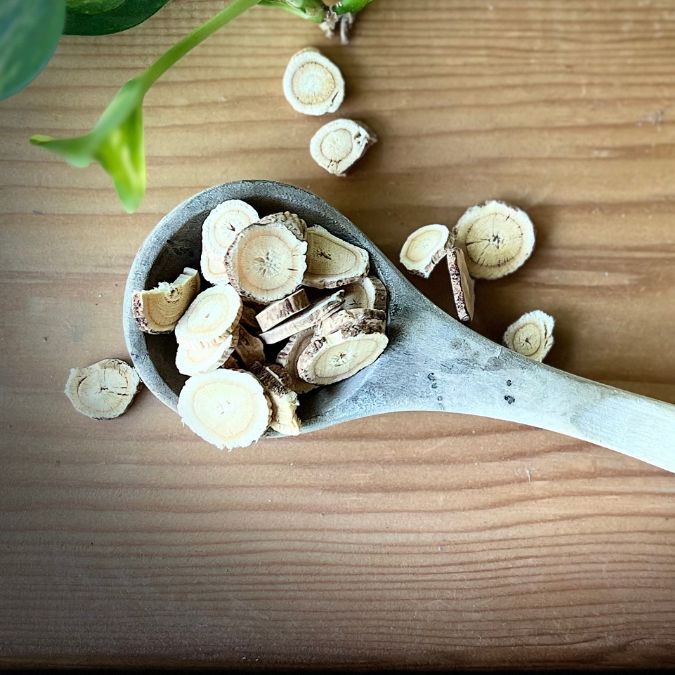

In Traditional Chinese Medicine (TCM), Astragalus is classified as a Qi-tonifying herb. It is beneficial for individuals experiencing fatigue, weakness, or chronic illnesses associated with Qi deficiency, as it helps replenish and strengthen the body’s vital energy. TCM practitioners often recommend Astragalus for individuals with spleen deficiency, digestive issues, or prolapsed organs. It is believed to lift the spleen and raise Yang energy, improving digestion and organ function. Astragalus also supports lung health by tonifying the lungs and alleviating respiratory conditions such as asthma, bronchitis, and frequent colds or flu. It enhances lung Qi and bolsters immune function. Moreover, Astragalus is also employed to promote blood circulation and alleviate conditions related to poor circulation, such as cold extremities, numbness, and cardiovascular issues. In TCM, Astragalus is revered as a fundamental herb for promoting overall health, vitality, and longevity by nourishing the body’s vital energies and strengthening its underlying foundation. Its holistic approach addresses specific symptoms and aims to restore balance and harmony within the body’s internal systems.
Health Benefits:
- Immune System Support: Astragalus is renowned for its ability to enhance immune function by stimulating the production of white blood cells strengthening the body’s defense against infections, viruses, and other pathogens.
- Adaptogenic Properties: Like other adaptogens, Astragalus helps the body adapt to stressors, promoting resilience and vitality during physical or emotional strain.
- Anti-Inflammatory Effects: It possesses potent anti-inflammatory properties, which can help alleviate inflammation-related conditions such as arthritis and promote overall joint health.
- Cardiovascular Health: Astragalus is believed to support cardiovascular health by improving circulation, reducing blood pressure, and lowering cholesterol levels.
- Anti-Aging Benefits: In TCM, Astragalus is considered a longevity tonic, reputed to promote longevity and slow down the aging process by nourishing the body’s vital energies.
- Energy and Vitality: It is used to combat fatigue, increase stamina, and enhance overall vitality, making it a popular choice for individuals seeking sustained energy throughout the day.
Astragalus is a plant representing the rich cultural heritage and traditional wisdom of humanity’s relationship with the natural world. Its extensive history and diverse medicinal applications reflect deep respect and admiration for this remarkable herb throughout the ages.

