
DANDELION
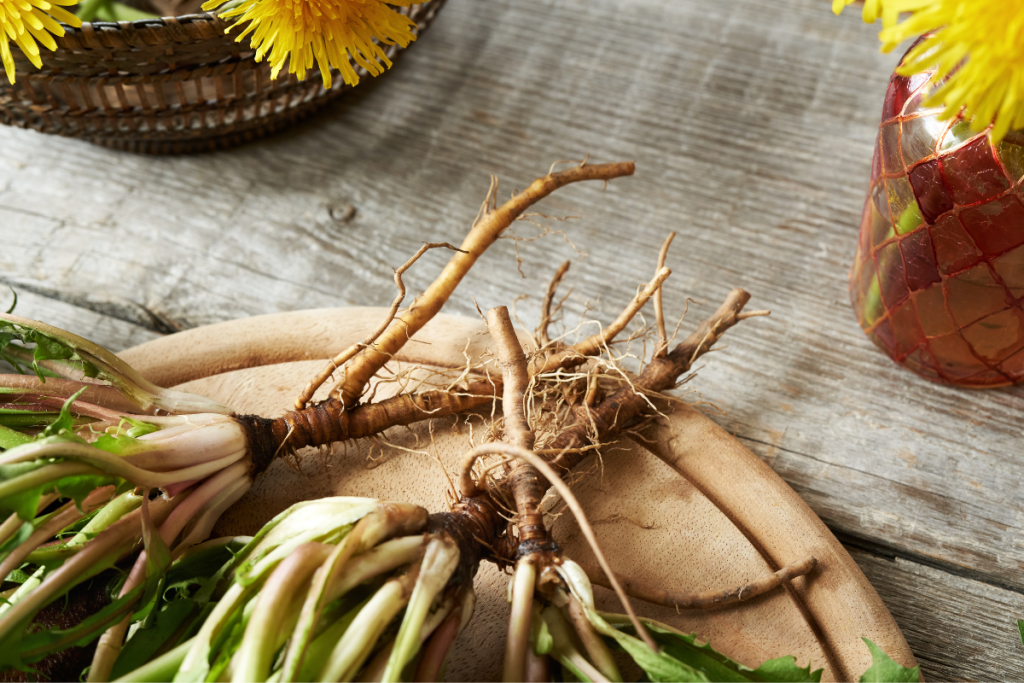
Latin Name: Taraxacum officinale
Taste: Bitter
Characteristics: Cooling, Drying, Supports Liver Health, Balances Digestion
Dandelion, known scientifically as Taraxacum officinale, is a perennial herbaceous plant native to Europe and Asia but now found worldwide. It belongs to the Asteraceae family, characterized by its bright yellow flowers and distinctive toothed leaves. While the entire plant is edible and medicinal, the root of the dandelion plant is particularly prized for its therapeutic properties. Dandelion roots are long, slender, and deep-tapping, reaching into the soil to draw up nutrients and minerals.
Health Benefits:
Dandelion root is renowned for its numerous health benefits, making it a staple in herbal medicine practices around the world. Some of its key benefits include:
- Liver Support: Dandelion root is considered a liver tonic. It aids in the detoxification process by supporting liver function and promoting the flow of bile. It may also help cleanse and strengthen the liver, making it beneficial for conditions like jaundice, hepatitis, and liver congestion.
- Digestive Aid: Dandelion root stimulates digestion and acts as a gentle laxative, promoting regular bowel movements and relieving constipation. It also supports the growth of beneficial gut bacteria, aiding overall digestive health.
- Diuretic Properties: Dandelion root has diuretic properties, helping to increase urine production and promote the elimination of excess fluid and waste from the body. This makes it useful for conditions such as edema, bloating, and urinary tract infections.
- Anti-inflammatory: Dandelion root contains compounds with anti-inflammatory properties, which may help reduce inflammation throughout the body. It is often used to alleviate symptoms of inflammatory conditions such as arthritis, gout, and muscle pain.
- Antioxidant: Rich in antioxidants like flavonoids and phenolic compounds, dandelion root helps neutralize free radicals and protect cells from oxidative damage, potentially lowering the risk of chronic diseases like cancer and heart disease.
History:
Dandelion has a long history of medicinal use dating back centuries. It has been valued by various cultures worldwide, including traditional Chinese medicine (TCM) and European herbalism. Ancient Greeks and Romans used dandelion for its medicinal properties, particularly as a diuretic and digestive aid. In traditional European herbalism, dandelion was considered a valuable spring tonic and blood purifier. Indigenous peoples of North America also utilized dandelion for its medicinal and nutritional benefits. Today, dandelion continues to be appreciated for its health-promoting properties and is commonly used in herbal remedies and culinary preparations.
Uses:
Dandelion root can be used in various forms to harness its health benefits. It can be dried and brewed into a tea, decocted in water to extract its medicinal compounds, or prepared as a tincture or herbal extract. Dandelion root tea is particularly popular and can be enjoyed alone or blended with other herbs for flavor and additional benefits. Dandelion root extract is also available in supplement form, providing a convenient way to incorporate its health-promoting properties into daily wellness routines. Additionally, dandelion root can be roasted and ground as a coffee substitute, offering a caffeine-free alternative with a similar rich flavor profile. Dandelion leaves are also edible and can be consumed fresh in salads or cooked as greens, providing a nutritious addition to meals. Overall, dandelion root is a versatile herb with a wide range of uses in herbal medicine, offering support for liver health, digestion, detoxification, and overall well-being.

