
Latin Name: Carthamus tinctorius L.
Taste: acrid, warm
Characteristics: moving, antiplatelet, cardiovascular, adaptogenic, uterine stimulant
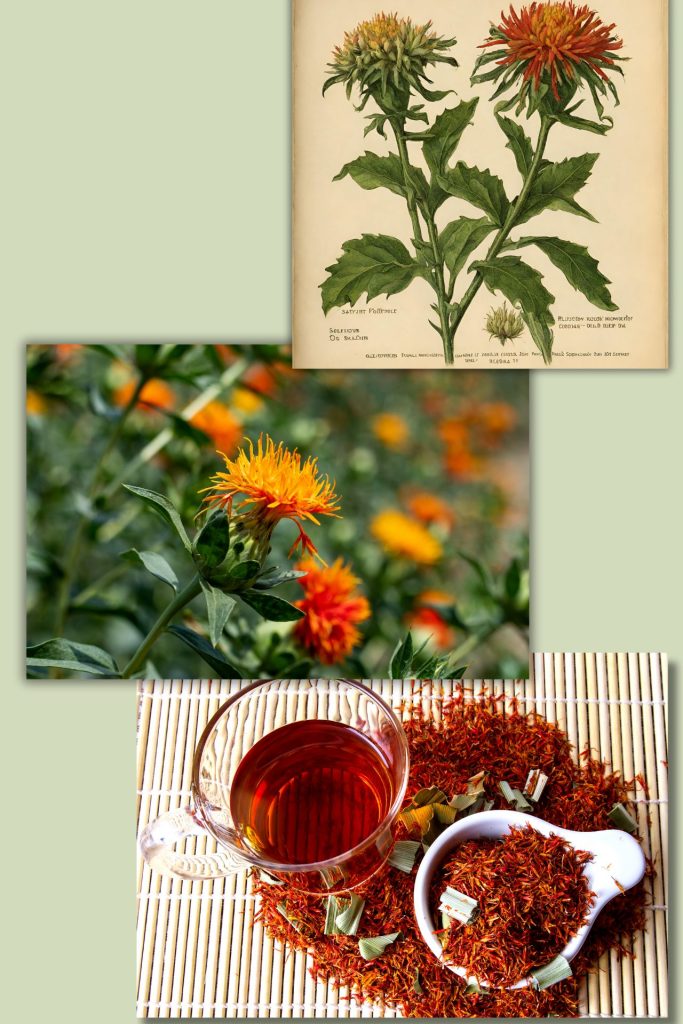
Safflower, a member of the Asteraceae family, is characterized by its highly branched, herbaceous nature, reminiscent of a thistle. This annual plant holds commercial significance primarily for extracting vegetable oil from its seeds. With its vivid yellow or red blooms, Safflower weaves a tapestry of history that spans millennia. Tracing its origins to ancient civilizations, Safflower emerges as a plant of multifaceted significance. In the history of Egypt, its presence as both a dye and a medicinal herb paints a picture of early human ingenuity. Millennia ago, the Persian lands cradled Safflower within their embrace, harnessing its medicinal properties in potions and remedies.
As trade routes intertwined civilizations, Safflower journeyed across continents, finding new homes in the diverse landscapes of Asia and Europe. Its vibrant hues colored fabrics and adorned palates, while its seeds whispered of nourishment and vitality. Over the ages, Safflower’s legacy intertwined with human endeavor, its essence woven into the fabric of cultures far and wide.
In modern times, Safflower stands as a testament to the enduring allure of botanical treasures. Cultivated across the globe, its oil-rich seeds find purpose in kitchens, cosmetics, and traditional medicine. With each petal and seed, Safflower whispers tales of antiquity, its history intertwined with the tapestry of human civilization.
Uses:
- Culinary: Safflower oil is used in cooking, particularly in regions where it is cultivated abundantly. It has a neutral flavor and a high smoke point, making it suitable for frying and other high-heat cooking methods.
- Cosmetics: Safflower oil is a common ingredient in skincare products due to its moisturizing properties. It is used in creams, lotions, and massage oils.
- Dyeing: The petals of Safflower produce a vibrant red dye, which has been traditionally used for coloring textiles, cosmetics, and food products.
- Traditional Medicine: Safflower has been used in traditional medicine systems around the world for its various health benefits.
Health benefits
Safflower oil is rich in unsaturated fatty acids, particularly linoleic acid, which is beneficial for heart health. It may help lower cholesterol levels and reduce the risk of heart disease. When applied topically, safflower oil can moisturize the skin and improve its texture. It is often used to alleviate dryness and soothe irritation. Safflower oil contains compounds with anti-inflammatory properties, which may help reduce inflammation in the body and alleviate symptoms of conditions like arthritis. In traditional medicine, Safflower is sometimes used to promote blood circulation and relieve menstrual cramps.
In Chinese medicine, Safflower is known as Hong Hua. It is warm and associated with the Heart and Liver meridians. According to Chinese medicine principles, Hong Hua is said to invigorate the blood and dispel stasis. It is commonly used to promote blood circulation and relieve conditions associated with stagnant or congealed blood. Hong Hua is often prescribed for conditions such as amenorrhea (absence of menstruation), dysmenorrhea (painful menstruation), abdominal pain due to blood stasis, and traumatic injuries where there is bruising and swelling. Safflower may be used alone or in combination with other herbs to enhance its therapeutic effects in Chinese herbal formulations.
In summary, Safflower has a long history of use across different cultures for culinary, medicinal, and cosmetic purposes. Its health benefits, including its role in heart health, skincare, and traditional medicine, make it a valuable plant with diverse applications.

