
LEMONGRASS
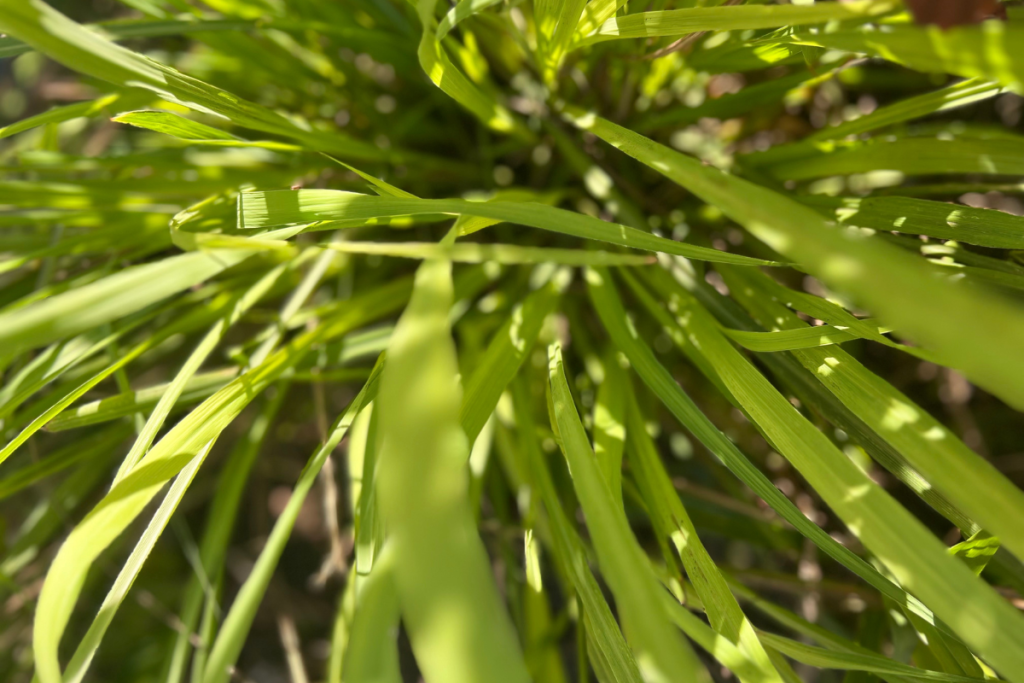
Latin Name: Cymbopogon citratus
Taste: Slightly Bitter, Acrid
Characteristics: Cooling, Aromatic, Drying, Harmonizing
Lemongrass, scientifically known as Cymbopogon citratus, is a perennial grass native to tropical regions such as Southeast Asia, India, and Africa. It boasts long, slender, green leaves and a distinct lemony aroma, which is where it derives its name. This aromatic herb belongs to the Poaceae family and is widely cultivated for its culinary, medicinal, and aromatic properties.
Health Benefits:
Lemongrass offers a multitude of health benefits. It is rich in essential oils, including citral, which imparts its characteristic citrusy fragrance and holds potent antimicrobial and antioxidant properties. Lemongrass has been traditionally used to alleviate digestive issues such as bloating, indigestion, and stomach cramps. It also exhibits anti-inflammatory properties, making it beneficial for conditions like arthritis and muscle pain. Furthermore, lemongrass is believed to support overall immune function and promote relaxation, making it a popular choice in herbal teas and aromatherapy.
History:
Lemongrass has a long history of use in various cultures across the globe. Originating in Southeast Asia, it has been utilized for centuries in traditional medicine systems such as Ayurveda and Traditional Chinese Medicine (TCM). Ancient civilizations valued lemongrass not only for its medicinal properties but also for its culinary uses and aromatic qualities. Over time, its popularity spread to other regions, including Africa, the Middle East, and the Americas, where it became integrated into local cuisines and herbal remedies.
Uses:
In herbalism, lemongrass is employed in various forms to harness its therapeutic benefits. It can be infused into teas, decoctions, or tinctures to aid digestion, relieve stress, and boost immunity. Additionally, lemongrass essential oil extracted from its leaves is widely utilized in aromatherapy to promote relaxation, uplift mood, and alleviate symptoms of anxiety and depression. The culinary applications of lemongrass are also abundant, with its fresh or dried leaves adding a delightful citrusy flavor to soups, curries, marinades, and beverages. Moreover, lemongrass is a common ingredient in natural skincare products and herbal remedies thanks to its antimicrobial and anti-inflammatory properties.

