
Beet kvass is a traditional fermented beverage consumed for centuries in Central and Eastern European countries like Poland, the Czech Republic, Austria, Ukraine, and Russia. It is made by fermenting beets in water with the help of lactic acid bacteria. It has an earthy, slightly salty, and subtly sour flavor, and while the taste may be awkward for some people, beet kvass offers several potential health benefits, which are the main reasons why people choose to consume it. Here are some reasons why you might consider drinking beet kvass:
- Nutritional value: Beets are packed with essential nutrients such as vitamins A and C, potassium, folate, and manganese. When fermented into kvass, these nutrients become more bioavailable and more accessible for the body to absorb.
- Digestive health: Fermented foods like beet kvass are rich in probiotics, beneficial bacteria that support a healthy gut microbiome. A balanced gut microbiome is essential for digestion, nutrient absorption, and overall digestive health.
- Detoxification: Beets contain compounds called betalains, which have been shown to support liver function and aid in detoxification processes. The fermentation process in beet kvass may enhance these detoxifying properties.
- Heart health: Beets are good for cardiovascular health due to their high nitrate content. Nitrate-rich foods have been associated with lower blood pressure and improved blood flow, potentially reducing the risk of heart disease. Beet kvass, as a “concentrated” form of beet juice, may provide similar benefits. Although beet kvass shares a nutritional profile similar to beet juice, it has a lower sugar content. This reduction occurs due to the metabolism of some sugars by beneficial bacteria during the fermentation process.
- Energy and performance: The nitrate content in beets and beet kvass has been linked to improved exercise performance and increased stamina. Some athletes incorporate beet-based products into their diet as a natural way to enhance their endurance.
- Hydration: Beet kvass can be a refreshing and hydrating alternative to sugary or artificially flavored drinks. It contains electrolytes and natural sugars, making it a healthier choice to quench your thirst.

In a 6-ounce serving of beet kvass, you’ll have:
- Vital minerals such as iron, calcium, magnesium, potassium, and manganese
- Essential B vitamins, including folate, and a boost of vitamin C
- Approximately 2 grams of dietary fiber, 1 gram of protein, and 6 grams of carbohydrates
- Beneficial probiotics and food enzymes
- Antioxidants and phytonutrients like betalain to support overall health.
It’s worth noting that while beet kvass offers potential health benefits, individual experiences may vary. If you’re considering adding beet kvass to your diet, it’s always a good idea to consult with a healthcare professional, especially if you have any underlying health conditions or are taking medications that may interact with beet consumption.
Beet Kvass Recipe
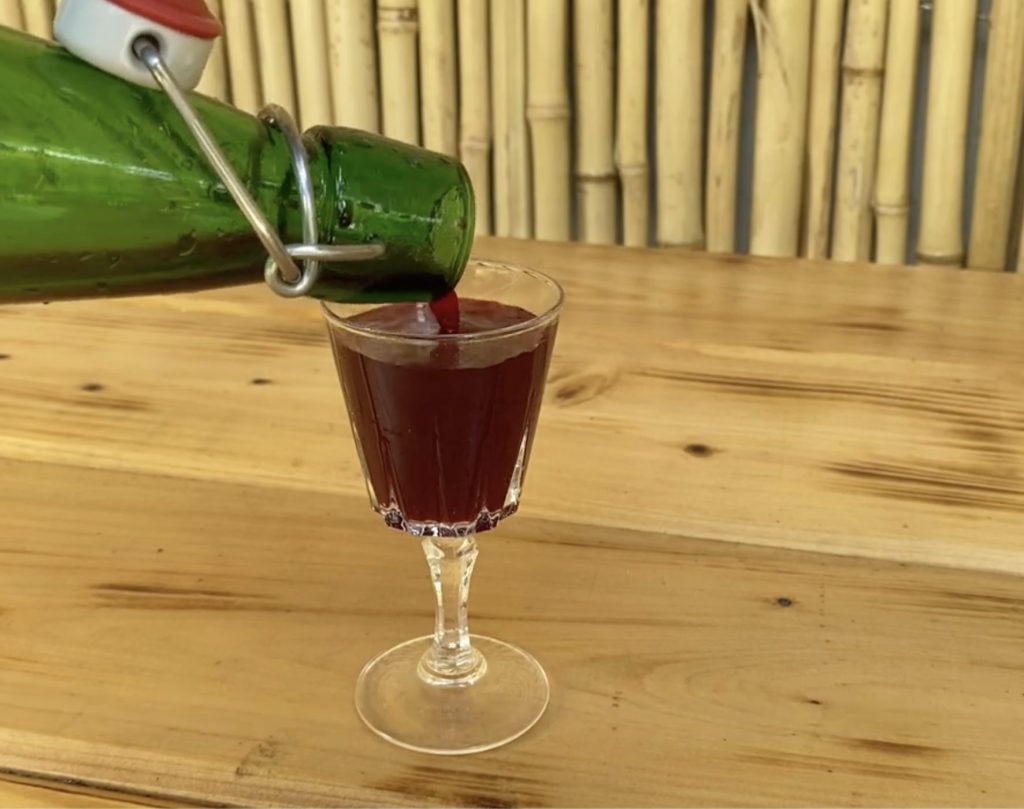
Here’s a simple recipe for making beet kvass at home:
Ingredients:
- 2-3 medium-sized organic beets, washed and chopped (leave the skin on for added fermentation benefits)
- 4 cups filtered water
- 2 tablespoons sea salt or kosher salt (non-iodized)
- 1 cup sliced garlic (optional)
- 1 red cabbage (optional)
- 1/4 cup whole black pepper (optional)
Instructions:
- Start by thoroughly washing the beets and chopping them into small cubes or slices. You can leave the skin on as it contains beneficial bacteria that aid fermentation.
- Place the chopped beets into a clean, sterilized glass jar. Make sure the jar is large enough to accommodate the beets and water, leaving some space at the top.
- Dissolve the sea salt or kosher salt in the filtered water to create a brine solution.
- Pour the saltwater brine over the beets in the jar, ensuring that the beets are fully submerged. Leave about an inch of space at the top of the jar.
- Cover the jar loosely with a clean kitchen towel or cheesecloth and secure it with a rubber band or string. This allows air to circulate while keeping out dust and debris.
- Place the jar away from direct sunlight in a dark, room-temperature spot. Let the beets ferment for about 7-10 days, depending on your taste preference. Check the kvass every day or so to ensure the beets remain submerged and to monitor the fermentation process.
- After the desired fermentation time, taste the beet kvass. It should have a tangy, slightly sour flavor. If it’s to your liking, remove the beets from the jar using a clean utensil.
- Transfer the beet kvass to a clean glass bottle or jar with a tight-fitting lid and store it in the refrigerator to halt the fermentation process. It will continue to develop flavor over time.
- Beet kvass can be enjoyed cold as a refreshing beverage or used as a base for soups, salad dressings, or marinades. The vegetables can also be eaten as a salad or added to a soup. Remember to drink it in moderation and consult with a healthcare professional if you have any underlying health conditions.
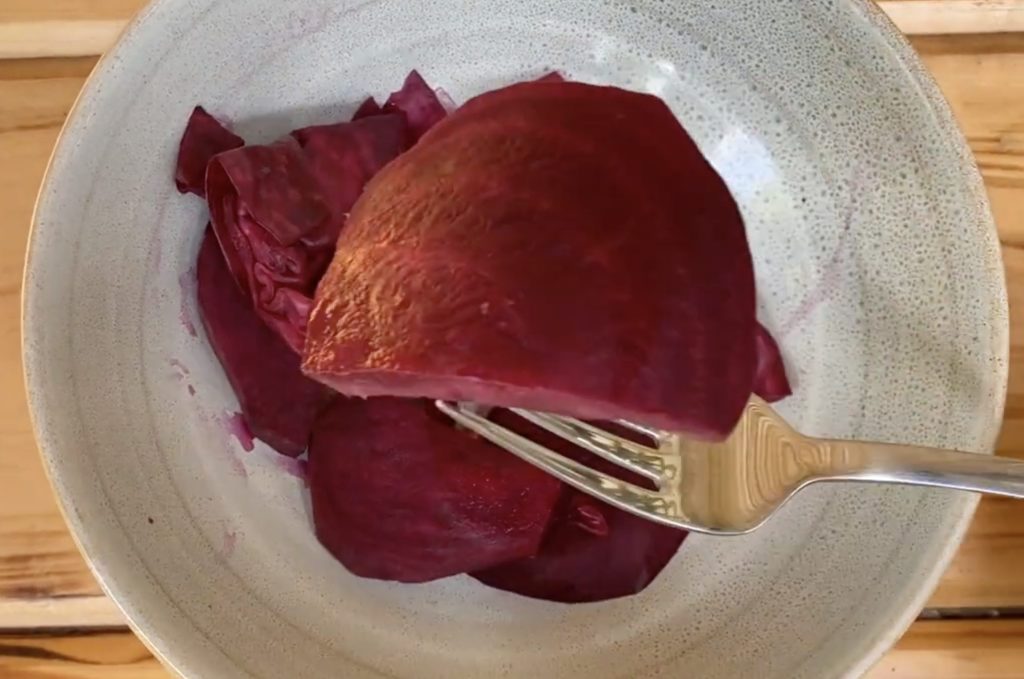
Enjoy your homemade beet kvass!
Share:

